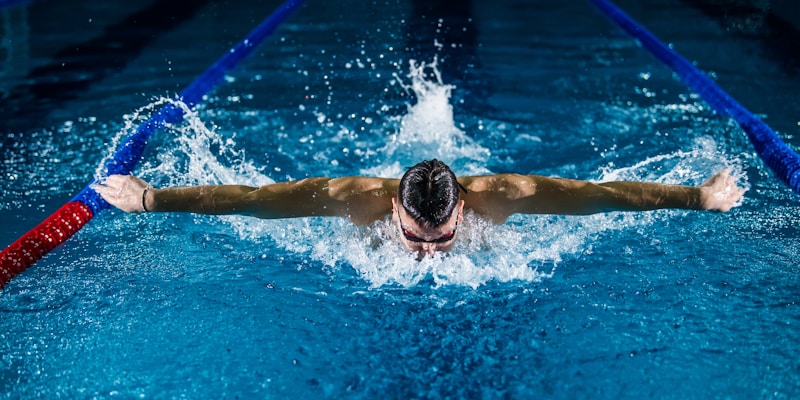
운동 전 워밍업으로 점프나 바운딩 같은 플라이오메트릭 운동을 수행하면 단거리 스프린트 능력이 실제로 향상될 수 있다는 연구 결과가 발표됐다.
중국 상하이 체육대학과 칭화대학 연구팀이 *Frontiers in Physiology*에 게재한 체계적 문헌고찰 및 메타분석 연구는 플라이오메트릭 컨디셔닝 활동의 급성 효과를 분석한 14편의 연구를 종합했다. 연구 대상에는 무작위 대조 시험, 교차 설계,전후 실험 설계 등 다양한 연구 방법이 포함되었다.
결과는 명확했다. 플라이오메트릭 컨디셔닝 활동은 스프린트 성능을 중간 수준으로 유의하게 향상시켰다. 세부 분석에서는 거리별 효과 차이가 뚜렷하게 나타났다. 30m 이하의 단거리에서는 효과 크기가 크게 나타났으며,반면 30m 초과 거리에서는 유의한 효과가 없었다.
또한 복합 프로토콜이 단일 운동보다 더 큰 효과 경향을 보였으며,충분한 휴식 간격을 둔 경우에도 유의한 효과가 나타났다. 이 현상은 사전 활성화 수행 향상으로 설명된다. 고강도 운동 후 근신경계가 활성화 상태를 유지해 이후 폭발적 움직임의 출력이 향상되는 원리다.
연구의 한계는 이질성이 높다는 점이다. 14편이라는 적은 연구 수와 대부분 남성 참가자라는 점도 결과의 일반화를 제한한다.
실천 포인트:단거리 스프린트 훈련이나 경기 전 워밍업에서 플라이오메트릭 동작을 포함하되,30m 이하 단거리 스프린트를 앞두고 충분한 휴식 후 실시하는 것이 효과적일 수 있다. 단, 부상 위험을 최소화하기 위해 점진적으로 강도를 높여야 한다.
📖 *Acute effects of plyometric conditioning activities on sprint performance in sports individuals:a systematic review and meta-analysis* |
논문 원문
※ 이 기사는 스포츠과학 논문을 바탕으로 작성되었습니다. 개인 신체 조건에 따라 다를 수 있으니 전문가와 상담하세요.
Can jumping exercises before a sprint actually make you faster? A new meta-analysis suggests the answer is yes — especially for short distances.
A research team from Shanghai University of Sport and Tsinghua University conducted a systematic review and meta-analysis published in *Frontiers in Physiology*, pooling data from 14 studies involving 198 sports participants (78.8% male). The included studies spanned randomized controlled trials, crossover designs, and pre-post experimental studies, all examining the acute effects of plyometric conditioning activities (PCAs) on sprint performance.
The findings were clear. Plyometric conditioning activities produced a moderate, statistically significant improvement in sprint performance overall (SMD = 0.51, 95% CI: 0.24-0.79, P < 0.001). When broken down by sprint distance, the benefits were most pronounced for sprints of 30 meters or shorter (SMD = 0.73, P = 0.0003), while no significant effect was observed for distances greater than 30 meters (SMD = 0.17, P = 0.31) — a statistically meaningful subgroup difference (P = 0.03).
Complex plyometric protocols (combining multiple movements) tended to yield larger effects than single-exercise protocols, and longer rest intervals between the plyometric conditioning and the sprint test were associated with significant performance gains (SMD = 0.42, P = 0.002). These patterns align with the post-activation performance enhancement (PAPE) mechanism: high-intensity neuromuscular loading elevates muscle contractile readiness, which peaks after an adequate recovery window.
However, heterogeneity was substantial (I-squared = 51%; up to 80% for complex protocols), cautioning against over-interpretation. The small number of studies and predominantly male samples limit generalizability.
Practical takeaway: Athletes preparing for short-distance sprints in sports like football, basketball, or track may benefit from including plyometric exercises (vertical jumps, bounding, depth jumps) in their warm-up, followed by 4-12 minutes of rest before competition. Gradual progression in plyometric load is advised to minimize injury risk.
📖 *Acute effects of plyometric conditioning activities on sprint performance in sports individuals: a systematic review and meta-analysis (SR + meta-analysis, n=198)* |
Source
This article is based on a sports science publication. Individual results may vary — consult a qualified professional before changing your training.