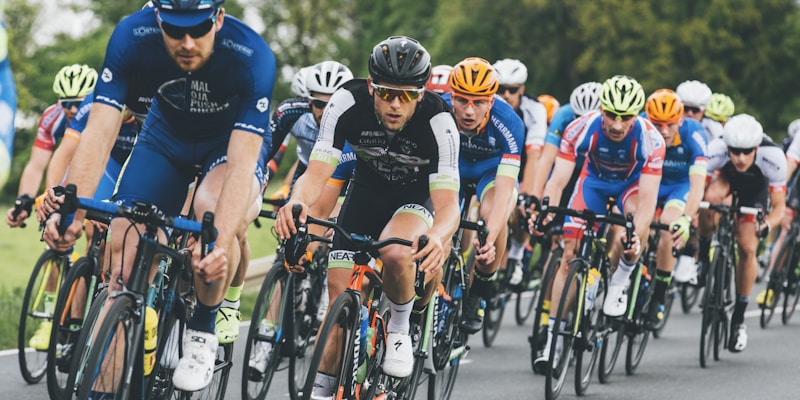
(① 공감 도입부) 운동을 하다 보면 어느 순간부터 몸이 무거워지고, 평소라면 쉽게 처리할 수 있는 판단이나 판단력이 흐릿해지는 경험을 누구나 해봤을 것입니다. 달리기 중 갑자기 머릿속이 멍해지거나, 자전거를 타다가 평소보다 반응 속도가 느려지는 느낌을 받는다면, 많은 이들이 단순히 피로 때문이라고 치부하기 쉽습니다. 하지만 스포츠 과학자들은 이러한 인지적 저하가 단순히 근육의 피로가 아닌, 체내 수분 균형의 미묘한 변화와 깊은 관련이 있다고 지적합니다. 우리 몸은 물을 잃는 것만으로도 신체적 한계에 다다르는 것이 아니라, 생각하는 능력 자체에까지 영향을 받을 수 있기 때문입니다.
(② 연구 소개) 지금까지의 연구들은 주로 탈수가 지구력 운동 능력 자체를 얼마나 떨어뜨리는지에 초점을 맞추어 왔습니다. 하지만 운동 중 수분 상태가 신체의 열 조절 시스템과 뇌의 고차원적인 인지 기능에 어떻게 복합적으로 작용하는지에 대한 체계적인 이해는 부족했습니다. 이에 한 학술 연구팀은 운동 전 수분 공급 상태가 중강도 운동을 지속하는 동안의 땀 분비 패턴과 참가자들의 실행 기능에 미치는 영향을 종합적으로 분석하는 연구를 진행했습니다. 이 연구는 참가자들을 그룹으로 나누어, 운동을 시작하기 전 수분 상태를 통제하고, 참가자들이 체중의 3%에 달하는 탈수 상태에 도달할 때까지의 생체 데이터를 면밀히 관찰했습니다.
(③ 핵심 결과) 연구팀이 수집한 데이터는 매우 명확한 패턴을 보여주었습니다. 운동을 시작하기 전 수분 공급이 충분했던 그룹은 그렇지 않은 그룹에 비해 땀 분비 효율성을 더 오랫동안, 그리고 더 안정적으로 유지했습니다. 이는 단순히 땀을 많이 흘린다는 의미를 넘어, 체온을 일정하게 유지하는 능력이 우수했다는 것을 의미합니다. 더욱 주목할 만한 결과는 인지 기능 영역에서 나타났습니다. 탈수 수준이 높아지면서 두 그룹 모두 인지적 수행 능력의 저하를 겪었지만, 사전 수분 공급이 잘 된 그룹은 탈수 과정 중에도 인지적 저하 곡선이 더 완만하게 유지되었습니다. 즉, 수분 관리가 신체적 지구력뿐만 아니라, 운동 중에도 복잡한 판단을 내리거나 집중력을 유지하는 뇌의 기능을 보호하는 방패 역할을 한다는 것이 과학적으로 입증된 것입니다.
(④ 시사점) 이 연구 결과가 우리에게 주는 가장 큰 시사점은 '수분 섭취'를 단순히 목마름을 해소하는 행위로만 인식해서는 안 된다는 점입니다. 탈수 상태가 진행되면 우리 몸은 체온 조절을 위해 에너지를 과도하게 사용하게 되고, 이 과정에서 뇌로 공급되어야 할 혈류와 산소의 균형이 깨지기 시작합니다. 따라서 운동 중의 수분 관리는 단순히 갈증을 느끼지 않게 하는 것을 넘어, 신체의 핵심 시스템인 체온 조절과 인지 기능을 동시에 최적의 상태로 유지하기 위한 필수적인 생리학적 전략인 것입니다.
(⑤ 실생활 적용 방안) 운동을 계획할 때, 특히 장거리 운동이나 고강도 운동을 할 경우에는 운동 전, 운동 중, 운동 후에 체계적인 수분 및 전해질 보충 계획을 세우는 것이 중요합니다. 운동 전에는 충분한 수분 섭취로 신체 시스템을 예비 가동 상태로 만드는 것이 좋으며, 운동 중에는 갈증을 느끼기 전에 미리 계획된 간격으로 전해질이 포함된 음료를 섭취하여 신체 기능 저하를 사전에 막아야 합니다. 또한, 자신의 신체적 한계와 운동 강도에 맞는 수분 섭취 속도를 파악하는 것이 가장 중요합니다.
Most of us have experienced a moment during exercise where the body suddenly feels heavy and the mental clarity required for simple decisions begins to fade. Whether it is a sudden mental fog during a run or a perceived drop in reaction speed while cycling, these sensations are often dismissed as mere fatigue. However, sports scientists point out that this cognitive decline is not simply a result of muscular exhaustion, but is deeply linked to subtle shifts in the body's fluid balance. Losing water does more than just push the body toward its physical limits; it can directly impair the very ability to think.
Previous research has primarily focused on how dehydration diminishes endurance performance itself. However, there has been a lack of systematic understanding regarding how hydration status during exercise complexly interacts with the body's thermoregulatory system and high-level cognitive functions. To address this, a research team conducted a comprehensive analysis on how pre-exercise hydration affects sweat secretion patterns and executive function during moderate-intensity exercise. The study divided participants into groups, controlled their hydration status before the start of the activity, and closely monitored biometric data until participants reached a dehydration level of 3% of their body weight.
The data collected by the research team revealed a very clear pattern. The group that was sufficiently hydrated before starting the exercise maintained sweat secretion efficiency longer and more stably than the group that was not. This indicates more than just sweating more; it means they possessed a superior ability to maintain a constant core body temperature. Even more notable results appeared in the realm of cognitive function. While both groups experienced a decline in cognitive performance as dehydration levels rose, the pre-hydrated group showed a more gradual decline. In other words, it was scientifically proven that hydration management acts as a shield that protects not only physical endurance but also the brain's ability to maintain focus and make complex judgments during exercise.
The most significant implication of these findings is that hydration should not be viewed simply as an act of quenching thirst. As dehydration progresses, the body consumes excessive energy to regulate temperature, which begins to disrupt the balance of blood flow and oxygen supply to the brain. Therefore, fluid management during exercise is more than just avoiding thirst; it is an essential physiological strategy to simultaneously optimize the body's core systems of thermoregulation and cognitive function.
When planning a workout—especially for long-distance or high-intensity exercise—it is crucial to establish a systematic hydration and electrolyte replenishment plan for before, during, and after the activity. Before exercising, it is advisable to prime the body's systems through sufficient water intake. During exercise, one should consume electrolyte-rich beverages at planned intervals before thirst is even felt to preemptively prevent functional decline. Most importantly, individuals should identify their own optimal hydration rate based on their physical limits and the intensity of their exercise.