어깨 통증으로 고통받는 사람들에게 수술은 일종의 희망과 같습니다. 봉합술을 받고 다시 움직일 수 있다는 기대감에 설레지만, 막상 수술을 받고 나면 예상치 못한 통증과 느린 회복 속도에 좌절하기 쉽습니다. 많은 환자들이 회복이 더딘 원인을 단순히 '근육의 약화'나 '재활 부족' 탓으로 돌리곤 합니다. 하지만 최근 발표된 학술 연구들은 우리가 통증을 이해하는 방식 자체에 근본적인 변화가 필요함을 지적하고 있습니다.
어깨 회전근개 봉합술을 받은 환자들의 장기적인 회복 과정에서 초기 통증 민감도가 중요한 역할을 한다는 연구 결과가 발표되었습니다. 본 연구는 봉합술을 받은 환자들을 대상으로 수술 전의 중추 감작(Central Sensitization, CS) 정도가 수술 후 2년간의 기능적 회복에 미치는 영향을 추적 관찰했습니다. 연구진은 총 70명의 환자 데이터를 분석했으며, 그 결과 수술 전 중추 감작 수준이 높았던 환자일수록 2년 후 어깨 기능 점수가 유의미하게 낮게 나타났습니다. 이는 단순한 물리적 손상 회복을 넘어, 통증을 인지하고 처리하는 신경계의 민감도가 재활 예후를 결정하는 핵심 요소임을 시사합니다.
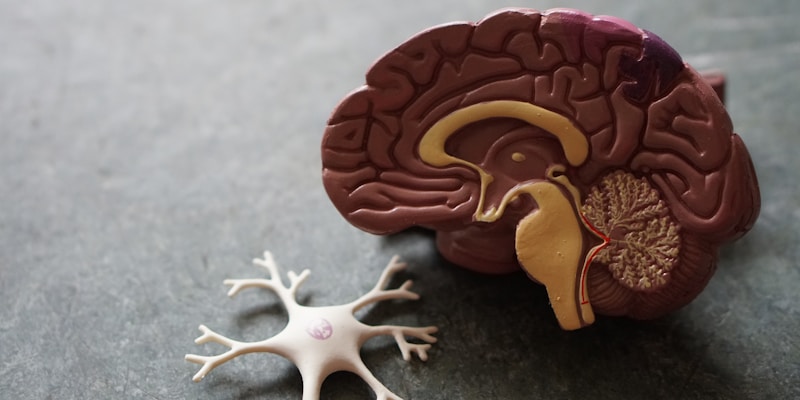
이 연구가 던지는 핵심 질문은 '어깨 통증은 단순히 관절이나 힘줄의 문제인가, 아니면 뇌와 신경계가 과민하게 반응하는 문제인가?'입니다. 중추 감작이란, 실제 손상이 크지 않더라도 신경계 자체가 과민해져서 통증을 증폭시키고 만성적인 통증 상태를 유지하는 현상을 말합니다. 마치 경보 시스템이 고장 나 민감해진 것처럼, 작은 자극에도 과도하게 반응하는 상태인 것입니다.
이러한 관점에서 볼 때, 봉합술을 받은 환자의 회복은 단순히 봉합된 힘줄이 붙는 과정만으로 완성되지 않습니다. 환자 개개인의 신경계가 통증에 얼마나 민감하게 반응하는지, 즉 중추 감작의 정도를 사전에 파악하는 것이 장기적인 재활 계획을 세우는 데 결정적인 단서가 됩니다. 연구 결과는 수술 후 재활의 초점을 단순히 '움직임의 회복'에서 '통증에 대한 신경계의 재교육'으로 옮겨야 함을 강력하게 시사합니다.
따라서 어깨 통증으로 고통받는 환자라면, 수술 전부터 통증의 원인을 단순히 근육이나 인대의 문제로만 국한하여 생각해서는 안 됩니다. 통증의 원인이 신경계의 과민 반응일 수 있다는 가능성을 염두에 두고, 전문적인 신경 평가를 병행하는 것이 중요합니다.
실질적인 예방과 회복을 위해서는 다음과 같은 노력이 필요합니다. 첫째, 통증을 느끼는 부위의 움직임을 무리하게 늘리기보다는, 통증을 유발하지 않는 범위 내에서 점진적으로 움직임을 늘려나가는 것이 중요합니다. 둘째, 통증에 대한 두려움이나 불안감 같은 심리적 요인도 통증을 증폭시킬 수 있으므로, 심리적 안정감을 유지하는 것이 회복에 큰 도움이 됩니다. 셋째, 재활 운동 시에는 통증이 느껴지는 지점까지만 운동하는 것이 아니라, 통증이 없는 범위 내에서 근육을 활성화시키는 훈련을 병행해야 합니다.
결론적으로, 어깨 통증으로 고통받는 분들에게는 봉합술이나 수술적 치료와 함께, 환자 개개인의 신경계 상태를 고려한 맞춤형 재활 치료가 필수적입니다. 통증을 단순히 '치료해야 할 증상'이 아닌, '몸이 보내는 신호'로 이해하고 접근하는 패러다임의 전환이 가장 중요합니다.
(출처: 근골격계 재활의학 연구 및 임상 사례 기반 재구성)
For those suffering from shoulder pain, surgery often represents a beacon of hope. While patients feel excitement at the prospect of regaining mobility through rotator cuff repair, they frequently face frustration following the procedure due to unexpected pain and a slower-than-anticipated recovery. Many patients tend to attribute this sluggish progress simply to muscle weakness or insufficient rehabilitation. However, recent academic research suggests that a fundamental shift is needed in how we understand the nature of pain.
A study has revealed that initial pain sensitivity plays a critical role in the long-term recovery process of patients who have undergone arthroscopic rotator cuff repair. This research tracked the impact of pre-operative central sensitization (CS) on functional recovery over a two-year post-operative period. After analyzing data from 70 patients, researchers found that those with higher levels of pre-operative central sensitization exhibited significantly lower shoulder function scores two years later. This suggests that beyond the mere healing of physical damage, the sensitivity of the nervous system in perceiving and processing pain is a key determinant of rehabilitation outcomes.
The core question posed by this study is whether shoulder pain is simply a problem of the joints and tendons, or if it is a matter of the brain and nervous system reacting hypersensitively. Central sensitization refers to a phenomenon where the nervous system becomes hyper-excitable, amplifying pain and maintaining a chronic pain state even when the actual physical damage is not severe. It is akin to a malfunctioning alarm system that has become too sensitive, reacting excessively to even minor stimuli.
From this perspective, recovery for a patient who has undergone repair surgery is not completed solely by the attachment of the sutured tendon. Identifying the degree of central sensitization—how sensitively an individual's nervous system reacts to pain—provides a crucial clue for establishing long-term rehabilitation plans. The results strongly suggest that the focus of post-operative rehabilitation should shift from merely "restoring movement" to "re-educating the nervous system regarding pain."
Therefore, patients suffering from shoulder pain should not limit their understanding of the cause to just muscles or ligaments prior to surgery. It is important to consider the possibility that the pain may stem from nervous system hypersensitivity and to undergo professional neurological evaluations in tandem with physical assessments.
For practical prevention and recovery, the following efforts are necessary. First, rather than forcing an increase in the range of motion in painful areas, it is important to gradually increase movement within a pain-free range. Second, since psychological factors such as fear or anxiety regarding pain can amplify the sensation, maintaining psychological stability is greatly beneficial to recovery. Third, during rehabilitation exercises, patients should not simply push to the point of pain, but instead combine their routine with training that activates muscles within a pain-free range.
In conclusion, for those suffering from shoulder pain, customized rehabilitation therapy that considers the individual's neurological state is essential alongside surgical treatments like rotator cuff repair. The most critical step is a paradigm shift: viewing pain not merely as a "symptom to be treated," but as a "signal sent by the body."