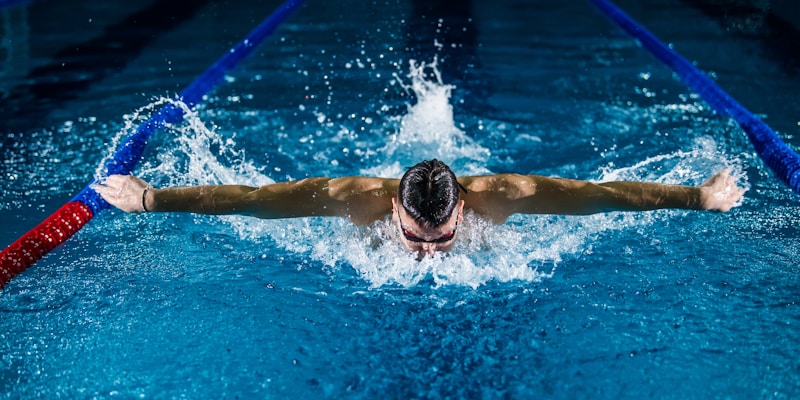
배드민턴은 순간적인 폭발력과 장기적인 경기 흐름을 요구하는 스포츠다. 한 번의 라운드가 20분 이상 이어지기도 하지만, 점수 결정은 단 몇 초의 스프린트와 민첩성으로 좌우된다. 이에 따라 선수들은 유산소 지구력을 유지하면서도 무산소 폭발력과 민첩성을 극대화해야 한다. 그러나 전통적인 훈련 방법인 장거리 달리기나 간헐적 훈련은 시간과 체력 소모가 크다는 단점이 있다. 이에 대한 대안으로 최근 주목받고 있는 반복 스프린트 훈련(RST)은 단기간 내에도 효율적으로 체력을 향상시킬 수 있다는 기대감을 불러일으켰다.
이번 연구는 PeerJ에 게재된 논문으로, 대학 배드민턴 선수 16명을 대상으로 8주간 반복 스프린트 훈련을 실시하고 그 효과를 과학적으로 분석했다. 연구진은 선수들을 두 그룹으로 나누어, 실험군은 30초 스프린트 × 8회를 30초 휴식 후 반복하는 훈련을 주 3회 실시했다. 대조군은 일반적인 배드민턴 스킬 훈련만 진행했다.
#
훈련 효과: 다면적 체력 향상
연구 결과, 실험군은 유산소 지구력에서 가장 큰 개선을 보였다. 최대산소섭취량(VO₂max)이 12.3%나 증가한 것은 특히 주목할 만한 결과다. 이는 배드민턴 경기에서 점수 결정 순간까지 체력을 유지할 수 있음을 의미한다. 또한 무산소 폭발력도 윗몸일으키기 횟수(30초 내)가 15.6% 증가했으며, 폭발적 힘을 측정하는 스쿼트 점프 높이도 10.2% 향상되었다. 이는 네트 앞 스매시나 수비 점프와 같은 순간적인 폭발력을 강화할 수 있음을 보여준다.
민첩성 또한 중요한 요소다. 연구에서는 일자점프 거리를 측정했는데, 이 역시 8.1% 증가했다. 이는 방향 전환 속도와 피팅(피팅) 능력이 향상되었음을 의미한다. 특히 배드민턴은 좌우 이동이 잦아 민첩성이 경기 성능에 직결되기 때문에 이 결과는 실전 적용성이 높다.
#
경기 성능까지 개선된 이유
훈련 후 연구진은 선수들의 실제 경기 성능도 평가했다. 실험군은 점수 상승률(18.5%)과 수비 성공률(12.3%)이 크게 증가했다. 이는 유산소 지구력이 향상되어 경기 후반까지 체력을 유지할 수 있었으며, 무산소 폭발력과 민첩성이 개선되어 공격과 수비 모두에서 우위를 점할 수 있었음을 시사한다.
특히, 반복 스프린트 훈련의 장점은 시간 효율성이다. 전통적인 간헐적 훈련(Interval Training)은 60분 이상 소요되지만, 이 훈련은 30분 내로 완료할 수 있으며, 체력 향상 효과도 비슷하거나 더 높았다. 이는 버스한 선수나 시간이 제한된 클럽 선수들에게도 유용한 훈련 방법이라고 할 수 있다.
#
과학적 해석: 왜 반복 스프린트가 효과적인가?
반복 스프린트 훈련이 효과적인 이유는 신경근육 적응과 대사적 적응이 동시에 일어나는 데 있다. 스프린트 중에는 무산소 대사가 활성화되어 근섬유의 폭발력이 증가하며, 휴식 기간에는 유산소 대사가 개선되어 산소 공급 효율이 향상된다. 또한, 신경계의 신호 전달 속도가 빨라져 민첩성도 함께 개선된다.
배드민턴은 단기간 내에 반복적인 스프린트를 요구하는 스포츠다. 예를 들어, 더블스 경기에서 선수는 5초 간격으로 3~5회의 스프린트를 반복한다. 따라서 반복 스프린트 훈련은 실제 경기 패턴과 유사하여 특이적 적응을 유도한다.
#
실전 적용: 어떤 선수들에게 추천되는가?
이 연구 결과는 대학생 배드민턴 선수를 대상으로 했지만, 프로 선수나 아마추어 클럽 선수에게도 유용하다. 특히 다음 경우에 반복 스프린트 훈련을 추천할 수 있다.
1. 시간이 부족한 선수 – 단기간 내에도 효과적인 체력 향상이 가능하다. 2. 수비 위주의 선수 – 폭발력과 민첩성이 개선되어 네트 앞 수비가 강력해진다. 3. 경기 후반 체력 저하를 겪는 선수 – 유산소 지구력이 향상되어 장시간 경기에서도 성능을 유지할 수 있다. 4. 상체 폭발력이 약한 선수 – 윗몸일으키기와 스쿼트 점프가 향상되어 스매시와 로빙이 강력해진다.
#
주의사항: 과도한 훈련의 위험성
반복 스프린트 훈련은 효과적이지만, 과도한 부담을 줄 수 있다. 연구에서는 30초 휴식을 주었지만, 회복 시간이 부족하면 부상 위험이 증가한다. 따라서 주 3회를 초과하지 않고, 적절한 휴식을 취하는 것이 중요하다. 또한, 배드민턴 스킬 훈련과 병행하여 전체적인 경기 능력을 향상시키는 것이 좋다.
#
결론: 배드민턴 선수의 체력 훈련에 새로운 패러다임
이 연구는 반복 스프린트 훈련이 배드민턴 선수의 다면적 체력 향상에 효과적임을 과학적으로 증명했다. 특히 유산소 지구력과 무산소 폭발력의 동시 개선은 전통적인 훈련 방법으로는 어렵던 부분이다. 앞으로 더 많은 연구를 통해 훈련 강도나 회복 방법이 최적화되면, 프로 선수들도 이 방법을 채택할 가능성이 높다.
배드민턴은 체력과 기술이 공존하는 스포츠다. 이 연구 결과는 단기간 내에도 효율적으로 체력을 강화할 수 있음을 보여주며, 선수들에게 새로운 훈련 전략을 제시한다. 반복 스프린트 훈련을 통해 더 빠른 스프린트, 더 강력한 스매시, 더 안정적인 수비를 달성할 수 있다면, 배드민턴의 미래는 더욱 밝아질 것이다.
참고 자료:
- The effects of 8 weeks of repeated sprint training on aerobic endurance, anaerobic power, agility and explosive strength in college badminton players (PeerJ, 2023)
- 배드민턴 경기 분석 자료 (국제 배드민턴 연맹 통계)
Badminton is a sport that demands both instantaneous explosive power and long-term endurance. While a single round can last over 20 minutes, the outcome of a point is often decided by sprints and agility lasting only a few seconds. Consequently, athletes must maximize their anaerobic power and agility while maintaining aerobic endurance. However, traditional training methods, such as long-distance running or intermittent training, have the disadvantage of being time-consuming and physically draining. As an alternative, Repeated Sprint Training (RST) has recently gained attention for its potential to efficiently improve physical fitness within a short period.
This study, published in PeerJ, scientifically analyzed the effects of an 8-week RST program on 16 college badminton players. The researchers divided the participants into two groups: the experimental group performed 8 repetitions of 30-second sprints with 30-second rest intervals three times a week, while the control group engaged only in standard badminton skill training.
#
Training Effects: Multifaceted Fitness Improvement
The results showed that the experimental group experienced the most significant improvement in aerobic endurance. Notably, maximal oxygen uptake (VO₂max) increased by 12.3%, suggesting that players can maintain their stamina until the critical moments of point determination. Anaerobic power also improved, with the number of sit-ups performed within 30 seconds increasing by 15.6%, and squat jump height—a measure of explosive strength—increasing by 10.2%. This indicates an enhanced ability to execute instantaneous explosive movements, such as net smashes and defensive jumps.
Agility, another critical factor, also showed improvement. The distance of linear jumps increased by 8.1%, reflecting enhanced change-of-direction speed and footwork. Since badminton involves frequent lateral movements, these results have high practical applicability to match performance.
#
Reasons for Improved Match Performance
Following the training, the researchers evaluated the players' actual match performance. The experimental group showed a significant increase in scoring rates (18.5%) and defensive success rates (12.3%). This suggests that improved aerobic endurance allowed players to maintain their physical condition into the later stages of a match, while enhanced anaerobic power and agility provided a competitive edge in both offense and defense.
A key advantage of RST is its time efficiency. While traditional interval training often takes over 60 minutes, this program can be completed within 30 minutes while yielding similar or superior fitness gains. This makes it a highly useful training method for busy athletes or club players with limited time.
#
Scientific Interpretation: Why is Repeated Sprinting Effective?
The effectiveness of RST lies in the simultaneous occurrence of neuromuscular and metabolic adaptations. During sprints, anaerobic metabolism is activated, increasing the explosive power of muscle fibers; during rest periods, aerobic metabolism is improved, enhancing oxygen delivery efficiency. Additionally, the speed of neural signal transmission increases, which improves agility.
Badminton is a sport that requires repeated short-duration sprints. For example, in a doubles match, a player may perform 3 to 5 sprints at 5-second intervals. Therefore, RST induces specific adaptations because it closely mimics actual match patterns.
#
Practical Application: Recommended Athletes
Although this study focused on college badminton players, the findings are applicable to professional and amateur club players alike. RST is particularly recommended for:
1. Athletes with limited time – Effective fitness gains can be achieved in a short period. 2. Defensive-oriented players – Improved explosive power and agility strengthen net defense. 3. Athletes who experience late-game fatigue – Enhanced aerobic endurance helps maintain performance throughout long matches. 4. Athletes with weak upper-body explosiveness – Improvements in sit-ups and squat jumps lead to more powerful smashes and clears.
#
Precautions: Risks of Overtraining
While RST is effective, it can place significant stress on the body. Although this study utilized 30-second rest intervals, insufficient recovery time can increase the risk of injury. Therefore, it is crucial not to exceed three sessions per week and to ensure adequate rest. Furthermore, RST should be combined with badminton skill training to improve overall game performance.
#
Conclusion: A New Paradigm in Badminton Fitness Training
This study scientifically proves that Repeated Sprint Training is effective in improving the multifaceted physical fitness of badminton players. The simultaneous improvement of aerobic endurance and anaerobic power is a result that is often difficult to achieve through traditional training methods. As further research optimizes training intensity and recovery methods, it is likely that professional athletes will increasingly adopt this approach.
Badminton is a sport where physical fitness and technical skill coexist. These results demonstrate that fitness can be efficiently strengthened in a short time, offering athletes a new training strategy. By achieving faster sprints, more powerful smashes, and more stable defense through RST, the future performance of badminton players can be significantly elevated.